Intelligent manufacturing, Engineered for Demanding Lines
- Your Expert in Folder Gluers & Tape Pasting.

 May 15,2026
A packaging plant in the Southeast purchased a new tape applicator last year. The speed rating looked excellent on paper: 35 boxes per minute. The price was competitive. The delivery schedule worked perfectly.
Within three weeks of installation, the machine was running at 18 boxes per minute—barely half its rated speed—and consuming 22% more tape than expected. The problem wasn't the machine itself. The problem was that the buyer had focused on the wrong specifications during evaluation.
This scenario is more common than many buyers realize. According to feedback gathered from packaging equipment distributors and plant managers, a significant portion of post-purchase dissatisfaction stems from overlooking a handful of critical specifications that directly affect real-world performance.
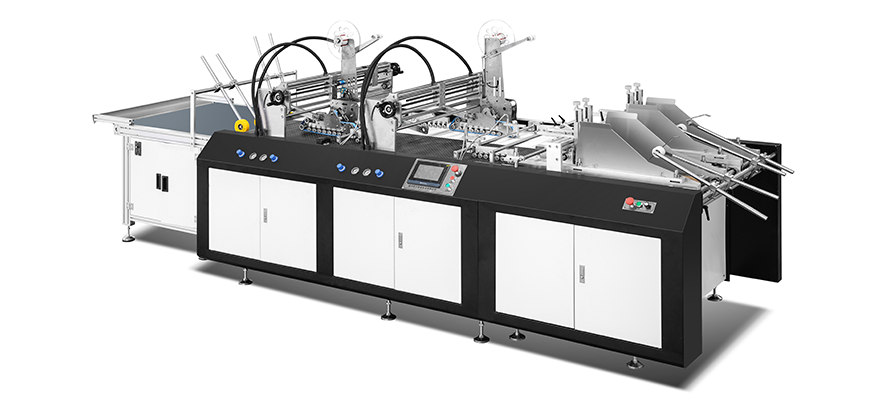
Below are five specifications worth checking carefully before signing any purchase agreement. These are not the glossy brochure numbers. These are the mechanical details that determine whether your tape applicator runs smoothly through peak season or becomes a source of constant frustration.
Tape tension is the single most common source of application problems. Too much tension stretches the tape, causing it to snap back or lift at the edges. Too little tension leaves wrinkles or insufficient adhesion.
What to look for on the spec sheet:
Minimum and maximum tension range (measured in Newtons or grams-force)
Whether tension is fixed or adjustable during operation
If adjustable: manual knob adjustment vs. electronic adaptive control
Why this matters for your daily operation: When you switch between tape types—paper-based, filament-reinforced, or film—each requires different tension settings. A machine with fixed spring tension may work acceptably for one tape type but fail for others. A machine with in-process tension adjustment allows operators to dial in settings without stopping production.
Red flag: The specification lists only the maximum speed without mentioning the tension control method.
Green flag: The manufacturer provides tension range data and demonstrates adjustment during product changeovers.
If your facility uses multiple tape types or runs boxes of varying sizes, tension adjustability often becomes the difference between a machine that works and one that frustrates. To understand how different tension control systems compare in real operating conditions.
Not all tape applicator heads are created equal. Some are fixed in position, designed only for boxes with flat, horizontal sealing surfaces. Others articulate (pivot) to follow angled or recessed flaps.
Key articulation specifications to verify:
Pivot range in degrees (e.g., 0–15°, 0–30°)
Whether articulation is manual or automatic
The maximum flap height difference the head can accommodate
Real-world impact: A furniture manufacturer ran into this limitation after purchasing a fixed-head applicator. Their product line includes telescope-style boxes where the inner flap sits 25mm below the outer box edge. The fixed head couldn't reach the recessed area, rendering the machine useless for nearly 40% of its production.
Ask the vendor: "Show me the machine applying tape to a box with recessed flaps or angled sealing surfaces." If they cannot demonstrate this, assume the applicator is designed for simple straight-flap boxes only.
When evaluating equipment for mixed production, articulation range is worth prioritizing alongside speed and reliability. For a closer look at articulating head designs and their mechanical specifications, explore applicator head articulation options and flap compatibility charts.
Tape applicators are typically rated for a range of tape widths (e.g., 36mm to 72mm). But the spec sheet often leaves out a critical detail: how long does it take to switch between widths?
What the spec sheet should include but often doesn't:
Minimum and maximum tape width (clearly stated)
Whether a width change requires tools
Estimated changeover time (manufacturer-provided)
Whether the width change affects tension calibration
Common buyer mistake: Assuming that because a machine accepts multiple tape widths, switching between them is quick and easy. In some designs, changing width requires removing side guides, re-threading the tape path, and recalibrating tension—a 20- to 30-minute process.
Best practice: Ask for a live changeover demonstration. A well-designed machine should allow width changes in under three minutes without specialized tools.
If your production schedule requires frequent tape width changes—for example, switching between 48mm tape for small cartons and 72mm tape for large appliance boxes—this specification directly affects your daily throughput. To compare tape width changeover designs across different applicator models, view tape applicator width compatibility, and changeover specifications.
Tape applicators are often mounted on case erectors or sealing lines. The distance between the applicator head and the box top must adjust automatically when the box height changes. How the machine handles this adjustment is a specification worth examining closely.
Two common approaches:
| Approach | How It Works | Typical Performance |
|---|---|---|
| Mechanical cam/follower | A physical arm rides along the box top to position the head | Works well for consistent box heights within a 100–200mm range |
| Electronic height sensing | Sensors detect box height and servo-adjust head position | Handles wider height ranges (200–600mm+) with greater accuracy |
What to verify:
The maximum height difference the system can handle without manual adjustment
Response time when a significantly taller or shorter box appears
Whether the system includes a "tape ready" confirmation before each application
A cautionary example: A distribution center running mixed e-commerce orders—ranging from 80mm-tall phone boxes to 450mm-tall ship cases—purchased an applicator with mechanical height sensing. The machine worked well for the smaller boxes, but consistently mistaped the tall cases because the sensing arm couldn't reach the full height range. The solution required retrofitting an electronic sensing kit at additional cost.
If your box height range spans more than 300mm, electronic sensing is generally worth the additional investment. For a detailed comparison of height sensing methods and their practical limitations, explore tape applicator height sensing configurations.
The final specification—and one of the most frequently overlooked—is how the machine handles boxes when something goes wrong. Not every box feeds perfectly. Flaps occasionally fold incorrectly. The tape sometimes fails to dispense.
What a well-specified applicator should include:
A reject or divert mechanism for improperly taped boxes
Flap presence sensors that verify both flaps are in position before tape application
An alarm or alert that notifies operators of recurring issues
Why this matters: Without a reject mechanism, improperly taped boxes continue down the conveyor, mixing with good boxes. Sorting them later is time-consuming and error-prone. Worse, if the problem goes unnoticed, customer complaints follow.
Specification to request: "Does the machine include a flap confirmation sensor and a reject gate as standard equipment, or are these optional add-ons?"
Some manufacturers treat flap sensing as an optional upgrade. Others include it as standard. Knowing which category your prospective machine falls into can save significant operational headaches later. To see how flap verification and reject systems are implemented across different applicator models, review LIYUE's tape applicator flap handling and quality control features.
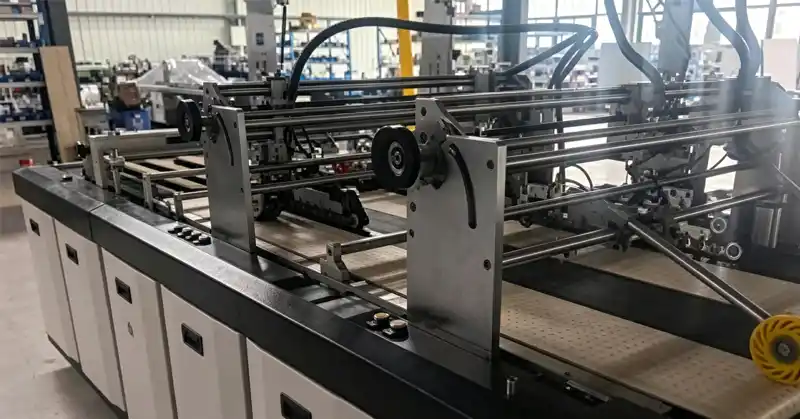
The five specifications above—tension control, head articulation, width changeover, height sensing logic, and flap rejection—are rarely the first numbers a salesperson presents. They are not as flashy as maximum speed. But they directly determine how well a tape applicator performs in your specific production environment.
Before your next equipment evaluation, consider creating a simple checklist based on these five specs. Run your actual box mix—including the difficult ones—through each category. A machine that passes all five will likely serve you well for years. One that fails even one may become a persistent source of downtime.
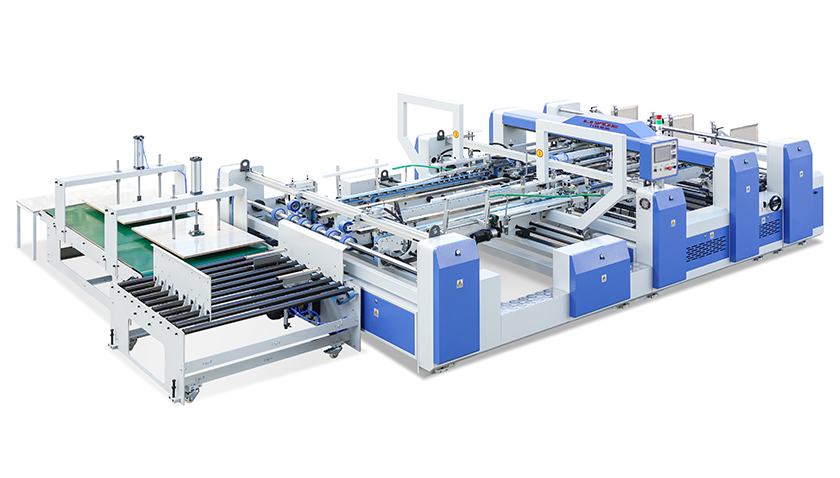
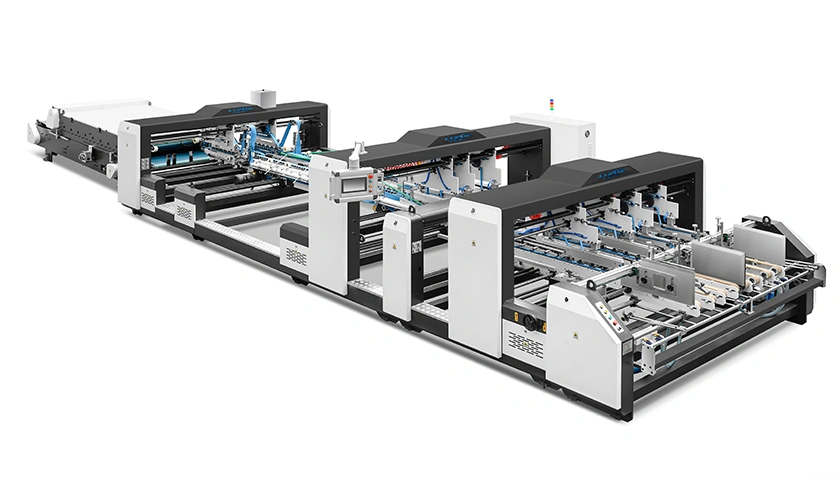
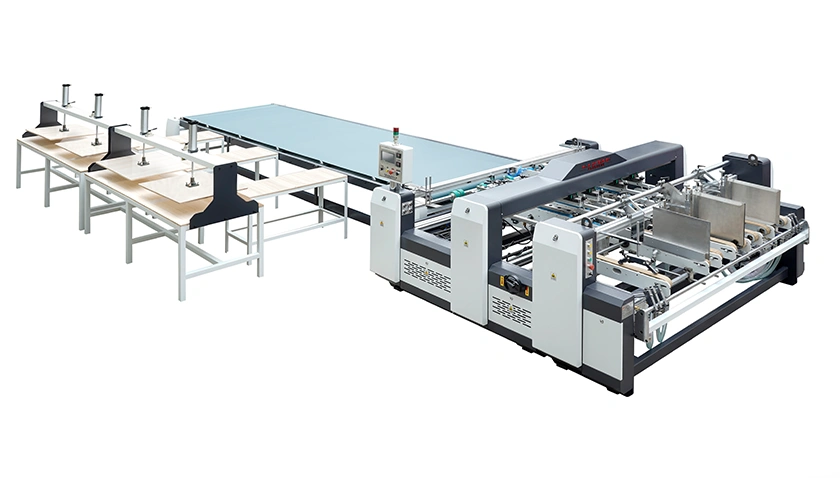
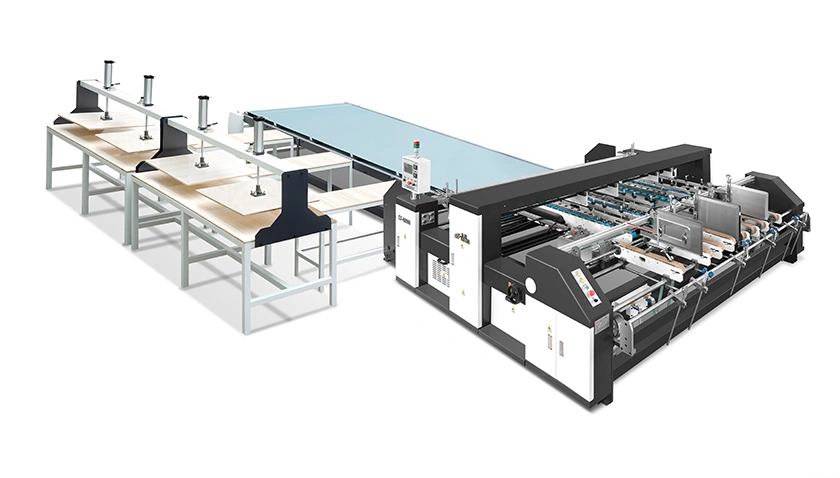
If you are currently comparing tape applicator options and want to see how these five specifications translate into actual machine configurations, explore LIYUE's tape applicator series and specification comparison tools.


 May 15,2026
May 13,2026
May 09,2026
May 15,2026
May 13,2026
May 09,2026
Intelligent manufacturing, Engineered for Demanding Lines
- Your Expert in Folder Gluers & Tape Pasting.